

large frameless bathroom mirror
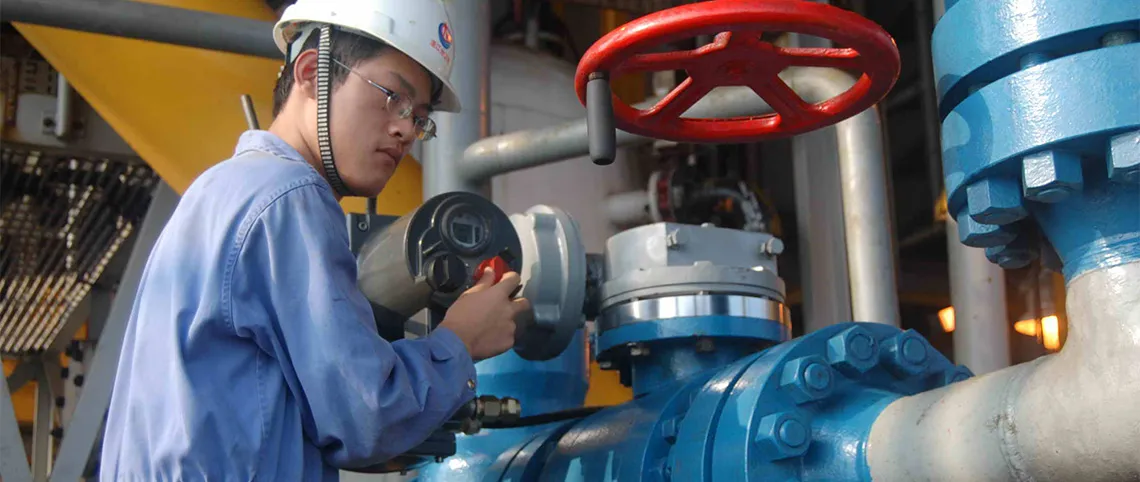
Understanding Gate Valves A Focus on 2-inch Gate Valves Gate valves are essential components widely used in various piping systems, particularly in the oil and gas, water distribution, and chemical industries. They serve a crucial function in regulating the flow of liquids and gases, making them an indispensable part of modern infrastructure. Among the various sizes and types, 2-inch gate valves stand out due to their versatility and efficiency in a range of applications. What is a Gate Valve? A gate valve is a type of valve that opens by lifting a round or rectangular gate out of the path of the fluid. When fully opened, it allows for a straight-through flow with minimal resistance, making it an excellent choice for applications where you want to ensure an unobstructed flow. Gate valves are typically operated manually, although automated versions are also available. Features of 2-inch Gate Valves A 2-inch gate valve is designed to control the flow of fluid through pipes that have a diameter of 2 inches. Here are some of its key features 1. Material Choices 2-inch gate valves are available in various materials, including brass, stainless steel, and ductile iron. The choice of material often depends on the application and the type of fluid—whether corrosive or non-corrosive. 2. Operation These valves can be operated using a handwheel, lever, or actuator. Manual operation is common, and the torque required to open or close the gate valve is manageable, even in larger sizes. 3. Pressure Ratings 2-inch gate valves are designed to withstand different pressure levels. Depending on the manufacturing standard, they can handle pressures ranging from ANSI Class 150 to Class 300 or higher. 4. Leakage Control Gate valves typically provide a tighter seal when fully closed, making them less susceptible to leakage compared to other valve types, such as globe or ball valves. 5. Flow Characteristics When fully open, a gate valve offers a high flow capacity with low flow resistance, making it suitable for applications where a quick and unrestricted flow is required. Applications of 2-inch Gate Valves gate valve 2 1 2 inch Gate valves are predominantly used in various applications, including 1. Water Supply Systems Used to start or stop the flow of water in municipal supply lines. 2. Wastewater Treatment Essential for controlling the flow in treatment plants to ensure efficient operations. 3. Fire Protection Systems Critical in fire hydrant systems, allowing for rapid flow control during emergencies. 4. Oil and Gas Sector Used in pipeline operations to regulate the products transported over vast distances. 5. Chemical Processing Employed in pipelines that transport various chemicals, where a reliable sealing capability is essential to prevent leaks. Advantages and Disadvantages While 2-inch gate valves offer numerous advantages, they also have some limitations Advantages - Minimal flow resistance when fully open - Tight sealing capability that minimizes leakage - Simple design leading to ease of maintenance Disadvantages - Slower opening and closing times compared to other valves - Not suitable for throttling applications (i.e., where precise flow control is necessary) - Can be susceptible to corrosion if not made from the right materials for specific environments Conclusion In conclusion, 2-inch gate valves are vital components in various industrial applications due to their reliability and efficiency in controlling fluid flow. Understanding the characteristics, advantages, and limitations of gate valves can help engineers and operators make informed decisions about the best solutions for their fluid control needs. Whether used in municipal water systems, fire protection, or oil pipelines, the significance of gate valves continues to be relevant in our everyday lives. Therefore, proper selection, installation, and maintenance are crucial to ensuring their optimal performance and longevity.
about
large frameless bathroom mirror
Understanding the Main Water Valve in Your House The main water valve is a crucial component of any household plumbing system. This valve is where the water supply enters your home and allows you to control the flow of water throughout your property. Understanding its function, location, and maintenance is essential for every homeowner to ensure a constant and safe water supply. What is the Main Water Valve? The main water valve is essentially a gate that regulates the water entering your home from the municipal supply or a private source such as a well. It allows homeowners to turn off the water supply in case of emergencies, such as a burst pipe or a plumbing repair, preventing potential water damage and wastage. Depending on your home’s plumbing setup, the valve can be either a ball valve or a gate valve. A ball valve is typically a more reliable option, featuring a sphere inside that rotates to control water flow, while a gate valve uses a sliding mechanism. Where is the Main Water Valve Located? Locating the main water valve is important for quick access during emergency situations. It is usually found in one of several places 1. Basement In many homes, especially in regions with basements, the main water valve is located near the foundation wall where the water line enters the house. 2. Crawl Space Homes built on a crawl space may have the valve located there, making it accessible from beneath the house. 3. Utility Room Some homes have a utility room where water heaters, furnaces, and other utility systems are located. The main water valve may be installed here for easy access. 4. Outside In warmer climates, you might find the main valve installed outside, typically near the front of the house, close to the foundation. It's important to know the exact location of your main water valve so you can act quickly in case of a plumbing issue . main water valve in house How to Operate the Main Water Valve Operating the main water valve is straightforward. Typically, you turn the valve handle clockwise to shut off the water supply and counterclockwise to open it. However, it's crucial to identify whether your valve is a ball valve or a gate valve as their operations may slightly differ. When shutting off the water, be aware that plumbing systems can become pressurized, and it's wise to have a towel or bucket ready to catch any residual water. It’s also recommended to check your main water valve regularly to ensure it operates smoothly, as a stuck valve can become difficult to manage in emergencies. Maintenance Tips Regular maintenance of your main water valve is essential to prevent future complications. Here are a few tips 1. Exercise the Valve Every six months, turn the valve to the closed position and then back to the open position. This helps keep the mechanism from getting stuck. 2. Check for Leaks Inspect around the valve for any signs of leakage. If you notice any dampness, it may be time to replace the valve or consult a plumber. 3. Keep Accessible Ensure that the area around the valve is free of obstructions and easily accessible. Store items away from the valve to avoid emergencies where you might need to act quickly. Conclusion The main water valve is an essential part of your home’s plumbing system, providing control and safety over your water supply. By understanding its function and location, and performing regular maintenance, you can protect your home from potential water damage and ensure a consistent flow of water for your daily needs. Remember, being proactive is key when it comes to home maintenance, especially regarding your plumbing systems.
-

High quality industrial productsagement

High quality industrial products
View Details -

Meet the diverse needs of customers

Meet the diverse needs of customers
View Details -

Strict quality control

Strict quality control
View Details -

Top raw materials

Top raw materials
View Details -

Trusted supplier

Trusted supplier
View Details
Our application


news and information
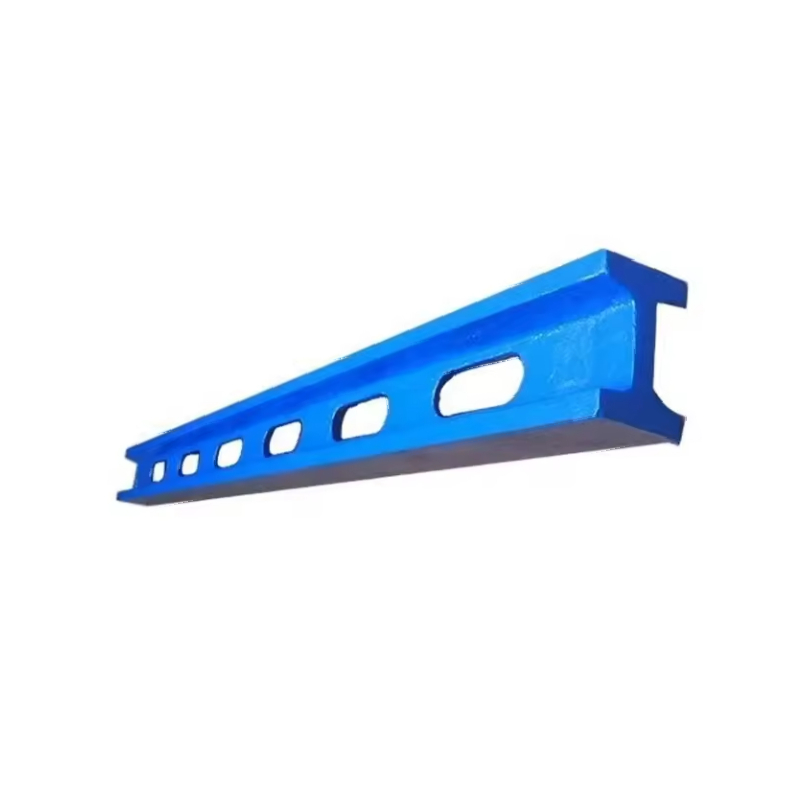
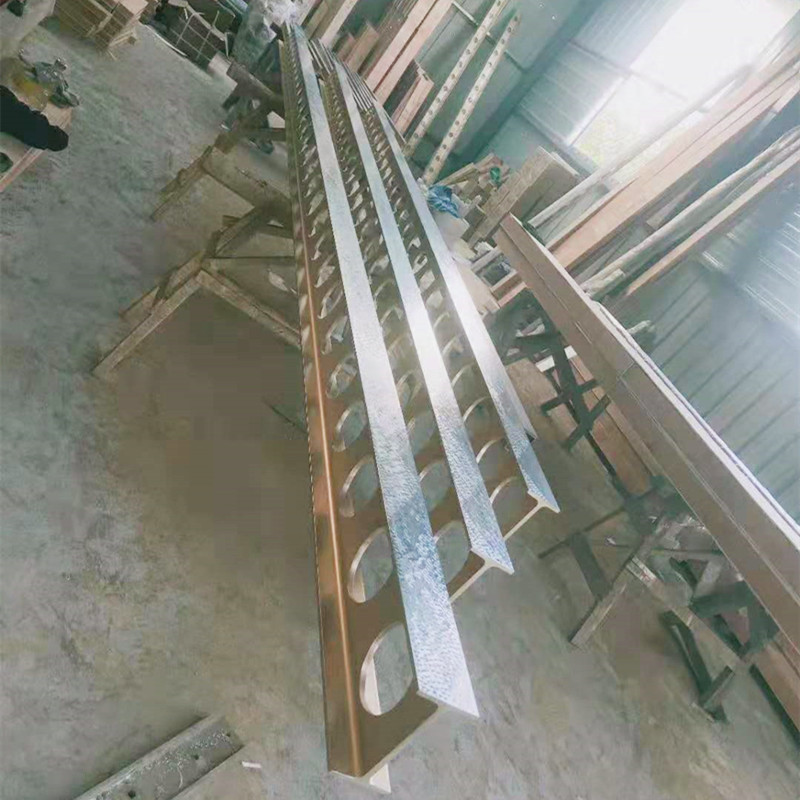
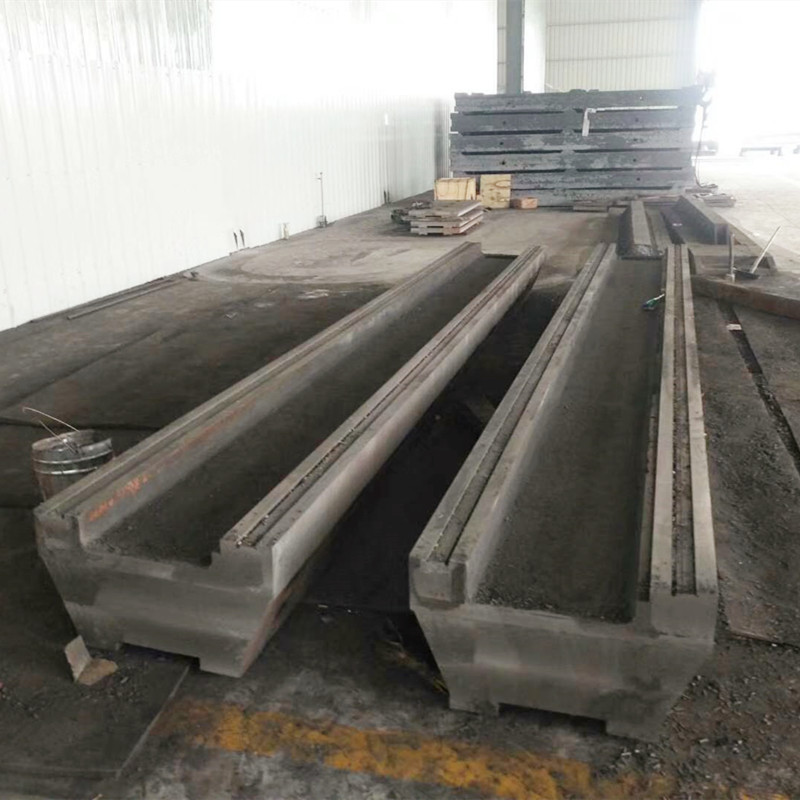
Welding Tables_ The Essential Tool for Precision and Durability
A welding table is a must-have for anyone involved in metalworking or fabrication. When it comes to
Vanne de porte d'étanchéité douce électrique
Les vannes à guillotine de 14 pouces une solution robuste pour les systèmes complexes Lorsqu'il s'a

Y Strainer PN16 Specifications and Applications for Fluid Filtration Systems
Understanding the Y Strainer PN16 An Overview In industrial piping systems, ensuring the efficient f
 English